Blog · · Alicia Sabatino
Digital models and AI models: the future of models in fashion
What digital models and AI models are in fashion
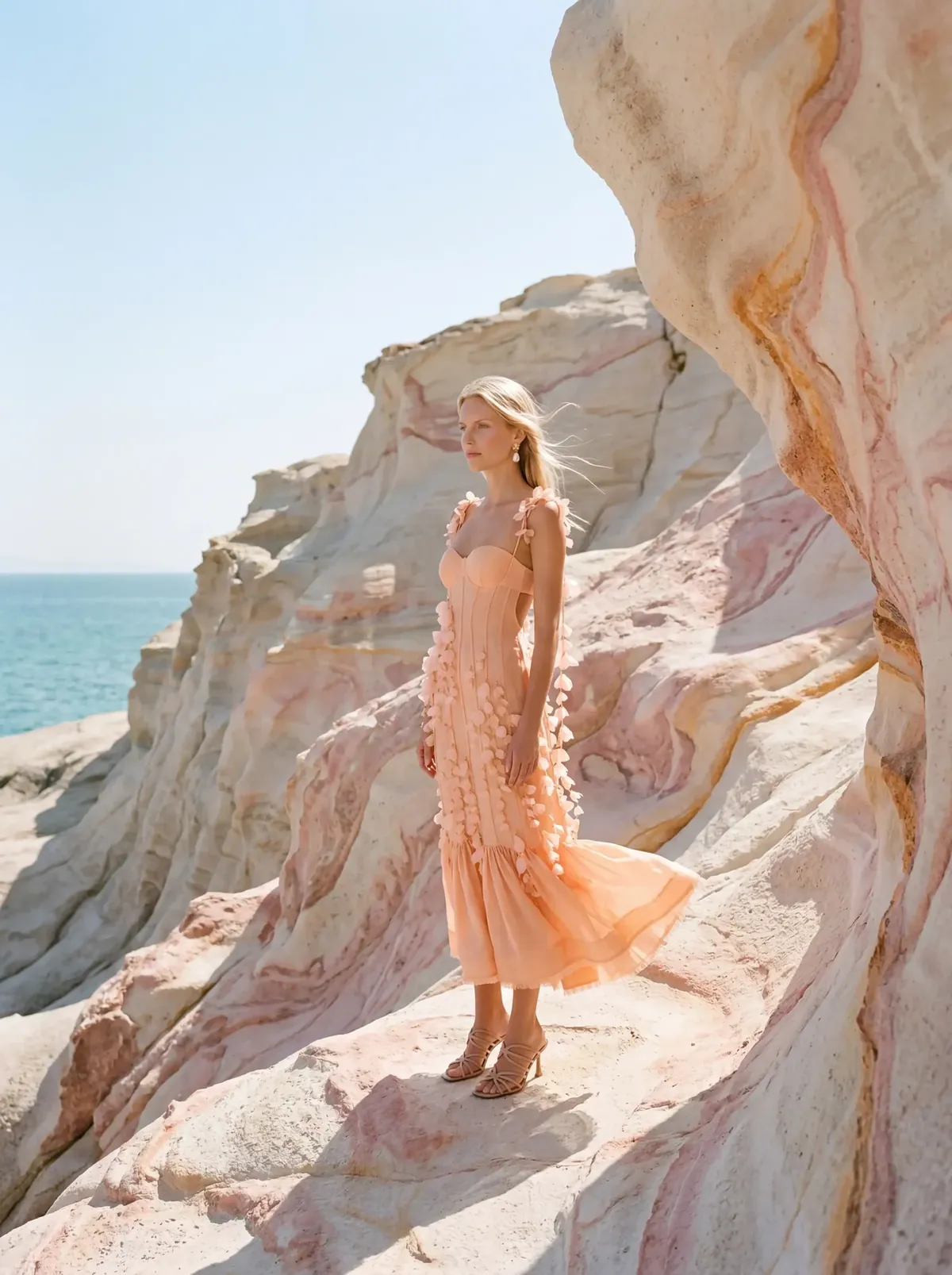
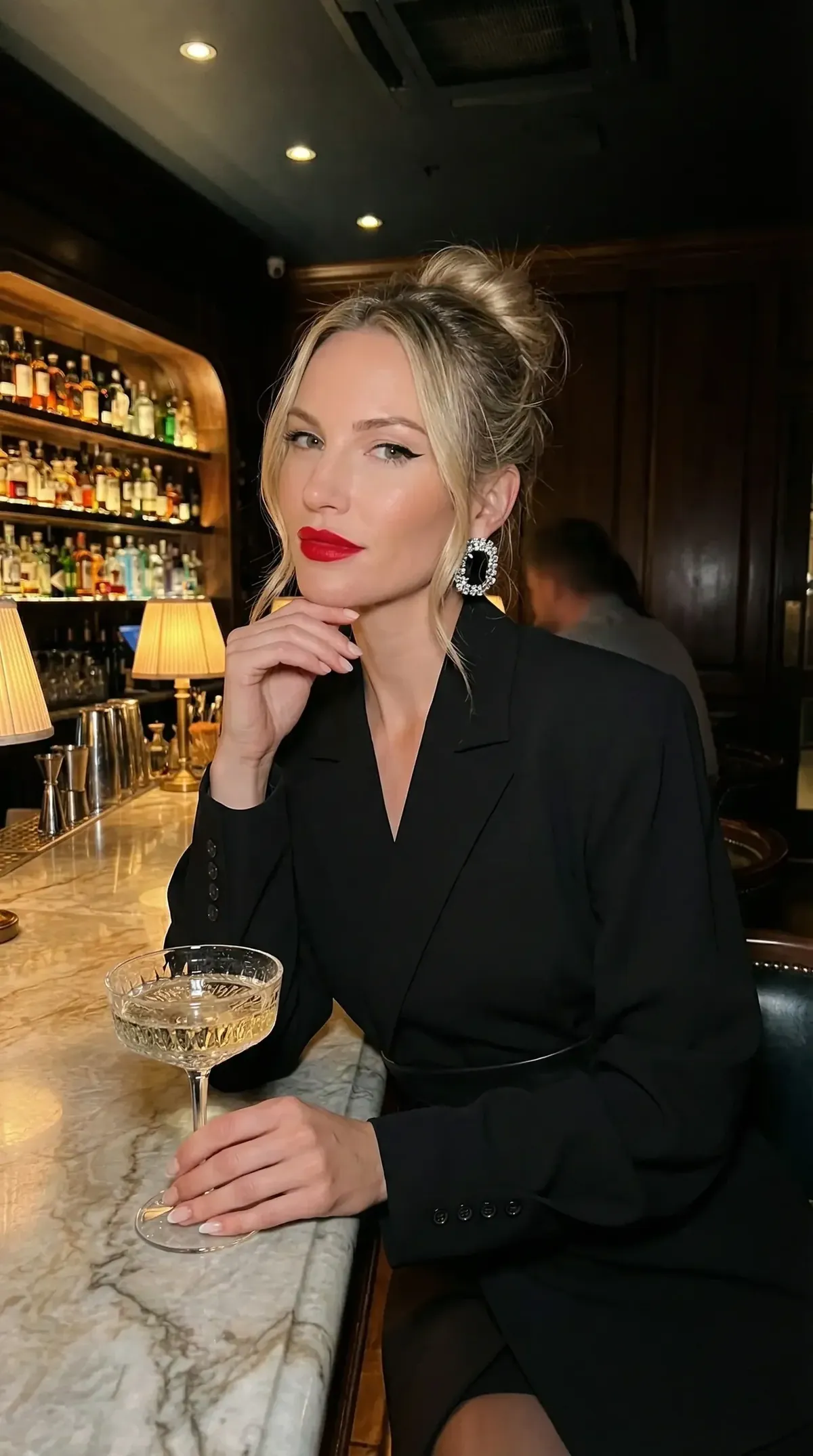
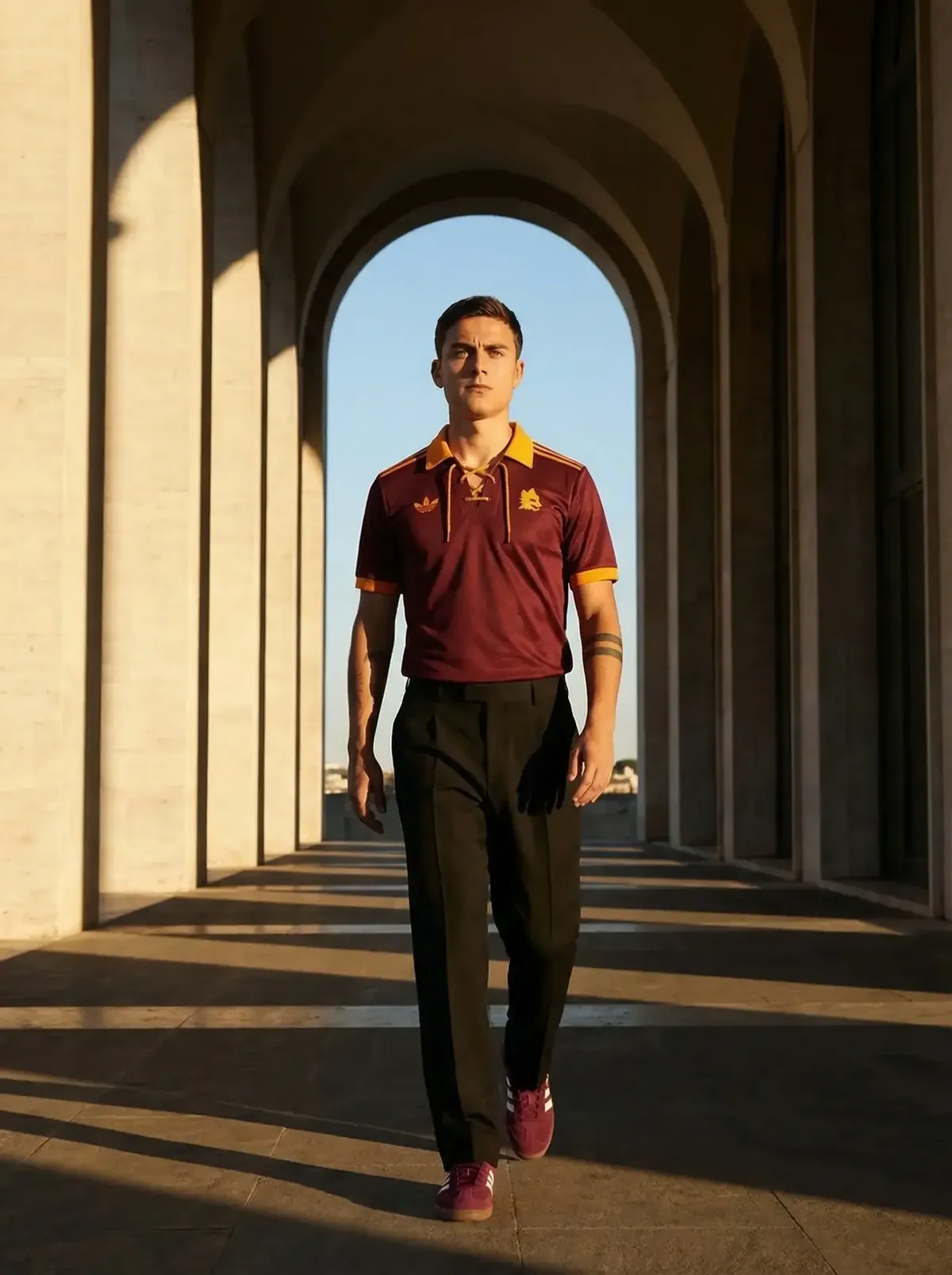
In recent years the terms “digital model” and “AI model” have entered the vocabulary of fashion marketing. They describe virtual figures generated with artificial intelligence that can wear garments, pose for advertising campaigns and represent a brand as effectively as a real model, without the physical, logistical and contractual constraints that come with one.
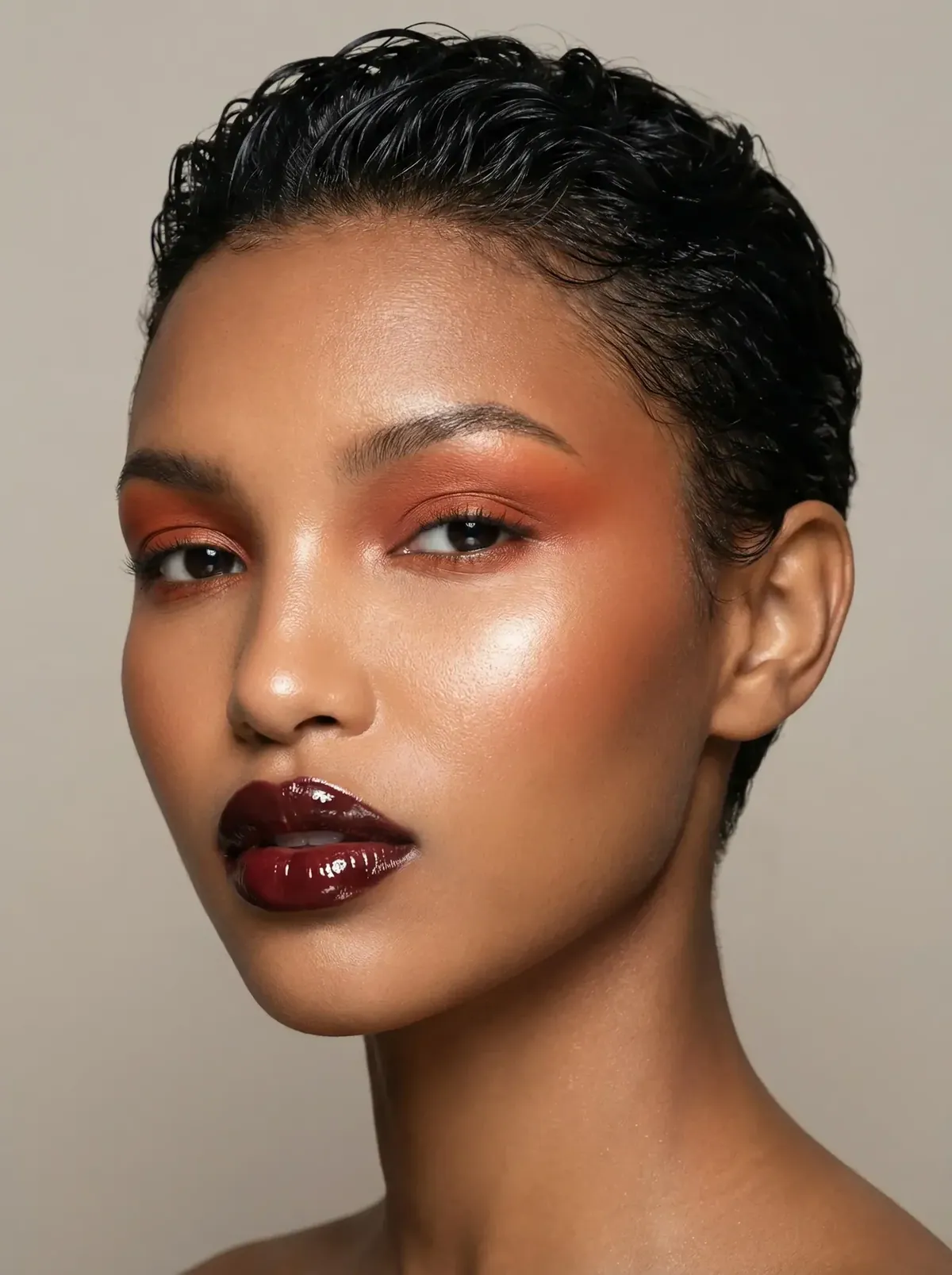
These are not stylised digital mannequins or video-game avatars: the latest digital models have realistic features, natural expressions, hair, skin texture and believable proportions. Looking at an image made with an advanced AI model, it is often hard to tell it apart from a traditional photograph.
How an AI model is created
Defining the visual identity
Everything starts with defining the virtual model’s identity. This stage sets ethnicity and features, age and build, hair colour and texture, expression and overall visual character, and a style and mood consistent with the brand. Every choice serves the brand’s positioning and the audience it wants to reach.
Generation and refinement
Once the parameters are defined, the AI generation process produces versions of the model that are assessed, selected and refined. Human art direction plays a fundamental role here: you don’t “press a button” and get a model; you work iteratively to get progressively closer to the desired result.
Consistency and versatility tests
A good AI model must be consistent: it has to keep the same visual identity in different contexts, with different garments and in different settings. This testing stage ensures the model can be used continuously over time, building recognition for the brand.
The advantages of virtual models for fashion brands
Visual consistency over time
With a real model, every new shoot inevitably brings variations in look, styling and expression. With an AI model, the brand has full control over every visual aspect of the model at all times. Visual consistency is complete and guaranteed over time, which strengthens the brand’s identity and recognisability.
No image-rights issues
One of the most common issues in fashion is managing models’ image rights: contracts, expiry dates, geographical limits, category exclusivity. With an AI model owned by the brand, these issues do not exist. The rights to the images belong entirely to the client and can be used on every channel without limits.
Immediate availability and fast production
A real model has a schedule, needs notice and may have other commitments or setbacks. An AI model is available at any time, so new content can go into production very quickly. For brands that work to intense seasonal rhythms or need to react fast to market trends, this availability is a huge advantage.
Customisation for international markets
A brand selling in different markets (Europe, Asia, the Middle East, the Americas) may need to adapt its visual communication to different cultural contexts. With AI models you can create variants of the same content with models of different ethnicities, without organising separate shoots in each market.
AI models: an opportunity for emerging brands too
Historically, having an exclusive signature model was a privilege reserved for big international labels. With AI model creation, emerging brands, independent designers and small labels can also have their own virtual brand ambassador, with an accessible investment and very fast production times.
This levels the playing field significantly: the visual quality of a brand’s communication is no longer necessarily tied to the size of its budget, but to the quality of its creative direction and the choice of the right technologies.
The role of art direction
It is important to stress that creating high-quality AI models is not an automatic process. The difference between a believable virtual model and one that looks artificial lies in the quality of the art direction behind every choice. Proportions, expressions, lighting, composition: every element requires aesthetic expertise and visual sensitivity.
AI Fashion Company, based in Florence, develops AI models through a rigorous creative process led by Alicia Sabatino, Creative Director with experience in fashion, design and architecture. The result is virtual models that authentically embody the brand’s identity, ready for advertising campaigns, e-commerce and social media.
Want to create your own exclusive AI model? Discover our AI models service or get in touch for a free consultation.
Read also: AI influencers: the new era of communication · Virtual fashion shoots: how they work · Create your brand’s AI model
By Alicia Sabatino, Creative Director of AI Fashion Company
Create your exclusive virtual model